Story Art
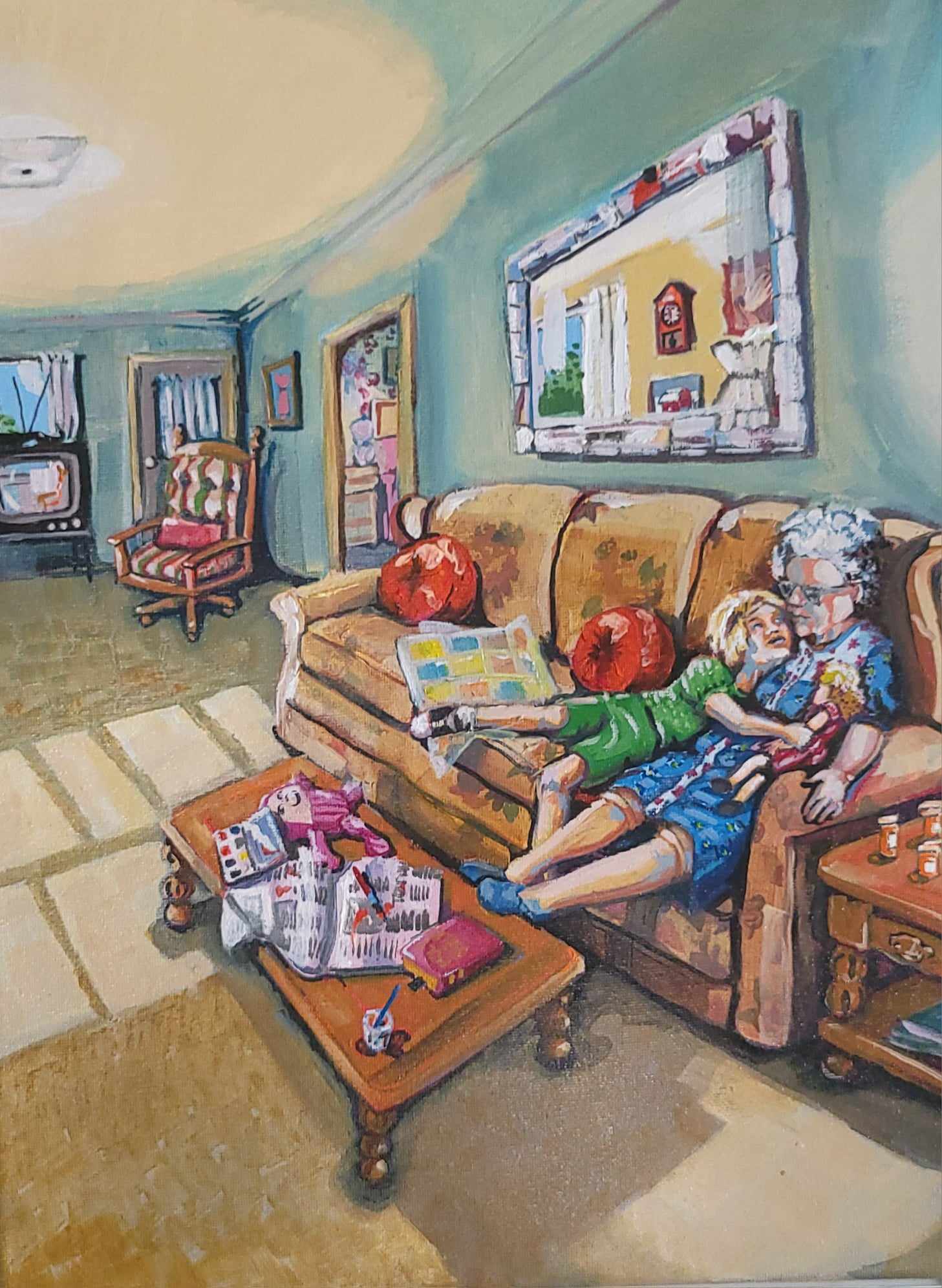
My art is where all my passions converge, blending the richness of life’s diversity with the vibrant spirit of originality. Each painting is not just an image but a visual narrative, capturing the essence of moments, memories, and emotions, weaving them into a tapestry that resonates on a personal level.
I have created the Blood Moon Clowder Serial—a collection of paintings and storytelling where mystery, art, and feline intuition collide. If you’ve ever wondered what happens beyond the brushstrokes, dive into the Blood Moon Clowder Serial and uncover the secrets hidden within the painted world.


5 Powerful Ways Narrative Paintings Bring Stories to Life
Art has the extraordinary ability to tell stories, evoke emotions, and connect us to moments, people, and ideas. My narrative paintings and story art are deeply rooted in this tradition, each piece designed to capture a narrative and bring it vividly to life. Whether it’s a personal memory, a universal theme, or an abstract tale, these works are meant to resonate on both a visual and emotional level. Here are five powerful ways that narrative paintings can transform a space and tell a story.
1. Connecting Art to Personal Stories
Narrative paintings have a unique ability to capture personal stories and translate them into a visual form. When you look at a painting, you’re not just seeing colors and shapes—you’re seeing a moment in time, a memory, or a story told through the artist’s eyes. My narrative paintings are designed to do exactly that, taking inspiration from personal experiences, histories, or emotional moments and expressing them in a way that is both relatable and impactful.
For clients who commission these paintings, the final artwork often reflects a story that is deeply meaningful to them, offering a way to preserve and cherish personal memories. Whether it’s a family portrait that speaks to generations of connection or a more abstract representation of a life event, narrative paintings offer a way to hold onto and celebrate those stories in a lasting form.
2. Telling Universal Tales
While many narrative paintings are personal, others tell stories that tap into universal themes—love, loss, joy, or struggle. These pieces connect with a broad audience by exploring emotions and experiences that are shared across cultures and time. My story art draws on these themes, using visual symbolism and emotive techniques to tell stories that resonate with viewers, regardless of their individual backgrounds.
The beauty of narrative art lies in its ability to speak to a wide range of people, each interpreting the story in their own way. A single painting can tell multiple stories depending on the viewer’s perspective, making the experience of viewing the art both personal and universal at the same time.
3. Creating a Focal Point for Conversation
Narrative paintings do more than simply decorate a space—they become focal points for conversation. The story within the painting often sparks curiosity, inviting viewers to explore its meaning and ask questions. This makes narrative art an excellent addition to homes, offices, or public spaces where people gather and engage.
Whether it’s an abstract depiction of a life journey or a more literal portrayal of a specific event, my story art is meant to provoke thought and discussion. Each piece is carefully crafted to reveal layers of meaning, encouraging viewers to delve deeper into the narrative behind the artwork.
4. Evoking Strong Emotional Responses
Narrative paintings have a powerful emotional impact. The stories they tell can stir up deep emotions in the viewer, making the art more than just a visual experience. My narrative paintings are crafted to evoke a range of feelings, whether it’s nostalgia, joy, introspection, or even a sense of awe.
By using color, texture, and composition, I aim to draw the viewer into the story, allowing them to feel a connection to the narrative that transcends the canvas. This emotional resonance makes narrative art a unique and meaningful addition to any space, as it not only adds beauty but also evokes a lasting emotional experience.
5. Bridging the Gap Between Abstract and Realism
One of the unique qualities of my narrative paintings is their ability to bridge the gap between abstract and realism. While some pieces lean more toward abstract interpretations of a story, others are grounded in realistic portrayals of people, animals, or events. This blend allows the viewer to engage with the artwork on different levels, finding personal meaning in both the details and the broader composition.
This approach creates versatility in how the paintings can be understood. Some viewers may connect with the literal aspects of the painting, while others may find meaning in the abstract forms or symbolism. This versatility allows narrative paintings to appeal to a wide audience and offers endless possibilities for interpretation.
Conclusion: Transforming Spaces with Story Art
Narrative paintings go beyond traditional art forms by bringing stories, emotions, and personal connections into visual expression. Each piece tells a story that can transform a space, creating an engaging, thought-provoking atmosphere. Whether you’re looking to capture a personal moment or explore universal themes, narrative paintings and story art offer a powerful way to bring stories to life through the beauty of art.